
Completion is not the same as quality
A finished appearance does not necessarily mean that every detail has been checked, corrected or verified.

Why TufKo
TufKo combines professional engineering judgement, structured evidence and practical reporting to help property defects move from observation to verified resolution.
The problem
Finishes, fixtures and systems may look acceptable at first glance while incomplete work, poor workmanship and unresolved defects remain beneath the appearance of completion.
A finished appearance does not necessarily mean that every detail has been checked, corrected or verified.
Individually minor issues can combine into significant inconvenience, cost and frustration.
Vague descriptions and isolated photographs make defects harder to locate, understand and resolve.
A repair being marked complete does not prove that the defect was properly corrected.
Why defects get missed
Quality can become diluted when deadlines, multiple contractors, inconsistent records and unclear ownership intersect.
Completion pressure can reduce the time available for careful final review.
Different teams may inspect, repair and close defects without a shared evidence trail.
What one person records as acceptable may be considered incomplete by another.
Remedial work may be closed administratively without confirming the actual property condition.
What ordinary reporting misses
TufKo is designed to connect the observation, evidence, location, status and required next step.
The engineering response
TufKo applies a consistent sequence so that each inspection produces evidence that can be understood and acted upon.
Review the property systematically against the agreed scope.
Capture the location, condition and supporting evidence.
Organise findings so responsibilities and priorities are easier to understand.
Present practical information rather than vague observations.
Confirm whether corrective work has genuinely resolved the defect.
The TufKo standard
The standard is not defined by the number of defects found. It is defined by the quality, clarity and usefulness of the inspection record.
Findings are considered through practical engineering principles rather than checklist completion alone.
Descriptions, locations and photographs remain connected to the relevant defect.
Inspection and defect records retain their progression rather than disappearing when a status changes.
Reports focus on what has been observed and what should happen next.
Defects move through clear stages rather than relying on informal assumptions.
Closure should follow evidence that corrective work has addressed the original finding.
From defect to resolution
The lifecycle creates a shared understanding of whether a finding is new, being addressed, corrected or formally closed.
Professional accountability
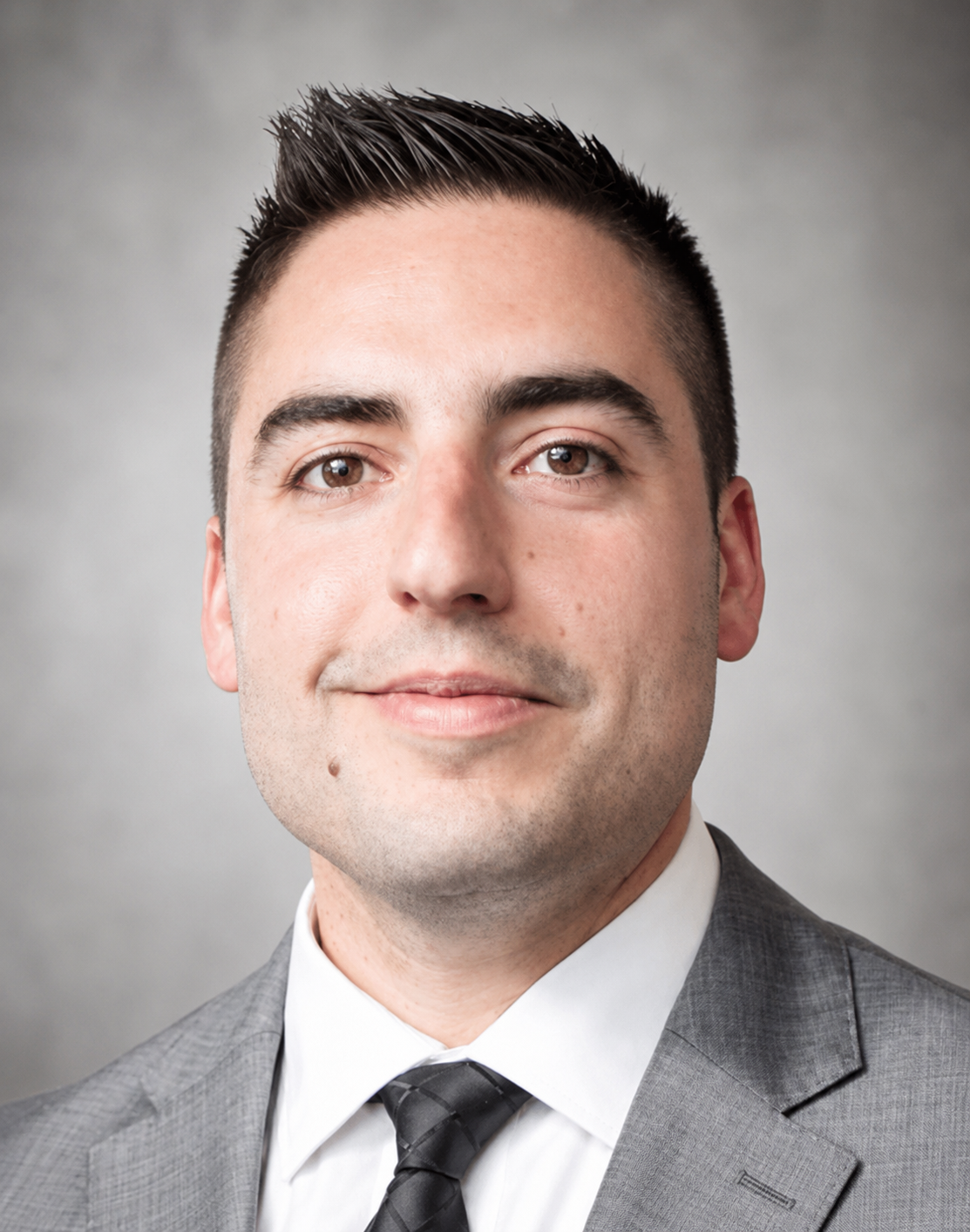
Anthony Gazzola
Founder and Director
BEng (Mech), PEng, CEng, IMechE
TufKo was founded to apply structured engineering thinking to property inspection, defect reporting and practical resolution.
The full Founder page explains the experience and professional background behind the company.
Meet the founderThe outcome
The objective is not simply to identify problems. It is to provide a reliable record that supports accountability and practical resolution.
Findings are easier to understand, locate and review.
Customers, contractors and developers work from the same structured record.
Status, responsibility and completion remain visible.
The inspection journey remains available for future review and auditing.
Pragmatic Engineering
Use the secure contact form to describe the property, inspection requirement or unresolved defect.